

I spent years fitting clothes on real guys, not mannequins, and the number one mistake I see is ignoring body type. Most men grab whatever looks good on the rack, but that shirt or pair of pants was designed for a generic shape that probably doesn't match yours. Learning how to dress for your body type men is the single most effective way to instantly look cleaner, taller, and more put together without spending a dime on expensive brands. Once you understand proportions, you can walk into any discount store and pull off a look that costs half as much.
Your body type is determined by your shoulders, chest, waist, and hips relative to your height. The three common categories are tall and lean, shorter or stockier, and athletic or muscular. But even if you don't fit neatly into one, the principles of balancing proportions are the same. Let me walk you through what to look for and what to avoid.
Know Your Body Type First
Before you buy anything, take a honest look in the mirror. Stand straight and note where your shoulders sit compared to your hips. If your shoulders are wider than your hips, you may have an inverted triangle or athletic build. If your shoulders and hips are roughly the same width with a defined waist, you are more rectangular or balanced. If your hips are wider than your shoulders, you might be pear-shaped, though this is less common in men. Height also matters. A 6-foot-2 lean guy needs different cuts than a 5-foot-8 stocky guy. Knowing this baseline is the foundation of how to dress for your body type men.

Dressing for a Tall and Lean Frame
Tall, slender guys often struggle with clothes that are either too short or too baggy. The goal is to add visual weight and break up your vertical line without looking like you're drowning in fabric. Look for shirts with a spread collar—it fills out the chest area. Avoid tall, narrow lapels on jackets; go for standard or slightly wider lapels to broaden your silhouette. Pants should have a straight or slim-straight leg—not skinny, which can look spindly, and not overly wide, which makes you look swallowed. A cuffed hem on trousers adds visual weight at the ankle. Layers like a bomber or chore jacket work well because they create horizontal lines. Avoid long, unbroken lines like a single-color turtleneck and matching trousers—that will make you look even taller.
Dressing for a Shorter or Stockier Build
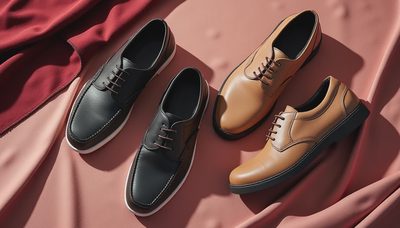
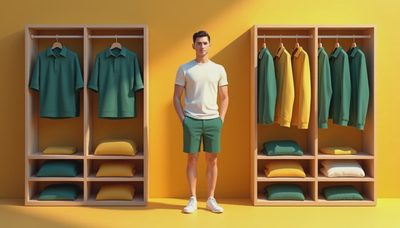
If you're under 5-foot-9 or have a thicker frame, the priority is creating vertical lines and avoiding anything that cuts you off horizontally. Monochromatic outfits are your friend: same color for pants and shoes, or a similar shade top and bottom. Wear V-neck tees instead of crewnecks to elongate your neck. Jackets should end at your hip bone or above—anything longer will make your legs appear shorter. Pant break matters: a slight break or no break at all on trousers keeps the leg line clean. For jeans, go with a straight or slim cut—not relaxed, which adds bulk. Avoid big, chunky soles; instead choose a streamlined shoe or boot with a slim profile. Cuffs on pants can shorten your silhouette, so skip them unless you are going for a very intentional cropped look.

Dressing for an Athletic Body
Athletic guys with broad shoulders, a narrow waist, and bigger thighs have the trickiest fit issues. Off-the-rack shirts often pull at the chest or are too tight in the shoulders, while being too loose in the waist. Look for shirts labeled "athletic fit" or "slim-straight"—they have more room in the chest and shoulders with a tailored waist. Avoid baggy shirts that hide your shape but also avoid overly tight shirts that look like a second skin. For pants, you need room in the thigh and seat without being baggy in the calf. A tapered leg with a bit of stretch works well. Brands like Levi's 541 or Bonobos Athletic Fit are designed for this build. Jackets may need tailoring in the waist; it's often worth spending a few dollars to get the sides taken in rather than sizing up.
Universal Fit Rules That Work for Every Body Type
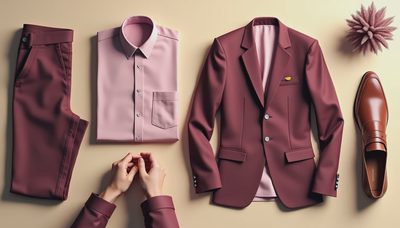
Regardless of your shape, these principles apply: shoulder seams should hit exactly at your shoulder bone, not drooping down or pulling up. Sleeves should end at your wrist bone when your arms are down. Pant length should be just above the ground with a slight break in front—no puddling at the ankle. And always check the back view in a mirror. Clothes that look good from the front can be pulling across the back or bunching at the waist. If you work on these fundamentals, you are already ahead of 90% of men. Remember, how to dress for your body type men is not about following trends; it's about understanding what your body needs to look balanced.
Final Thoughts: Fit Over Brand
I have seen $15 clearance shirts look better than $150 designer pieces, simply because they fit. The next time you shop, stop looking at the tag and start looking at the silhouette. Check the shoulder and hem lengths before you even try it on. When something fits right, you will feel it—there will be no tugging, no excess fabric, no pulling across the chest. This is what how to dress for your body type men really comes down to: knowing your proportions and shopping accordingly. If the fit is right, the price doesn't need to be high.
Start with one category that matches your build and implement those tips. You will notice a difference immediately, and your wallet will thank you.