

How to Hem Pants at Home: A Step-by-Step Guide for a Cleaner Fit
If you're tired of pants that are too long or you want to save a trip to the tailor, learning how to hem pants at home is a skill worth picking up. I've been hemming my own pants for years—ever since I worked as an assistant patternmaker and realized how much a good hem can change the whole silhouette. It's not hard, and with a few basic tools, you can get professional results. Plus, you'll save $10 to $20 per pair, which adds up fast if you're building a wardrobe on a budget.
Before you start, you need to decide which method fits your skill level and the type of pants you're working with. There are three main approaches: sewing machine, hand stitching, and hem tape (no-sew). I'll cover all three so you can pick the one that works for you.
Why Hemming Your Own Pants Makes Sense
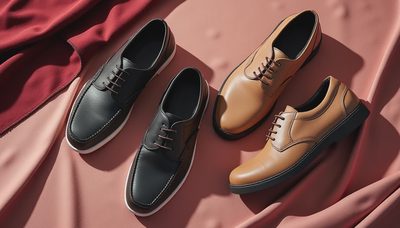
Pants that are too long create a messy break over your shoes and make you look sloppy. Even affordable pants can look sharp if the length is right. By hemming at home, you control the exact length—whether you want a full break, a half break, or no break at all. You also avoid the hassle of dropping pants off at a tailor and picking them up later. And if you mess up? You can always take them to a pro—but once you get the hang of it, you'll never go back.
Tools You Need to Hem Pants at Home
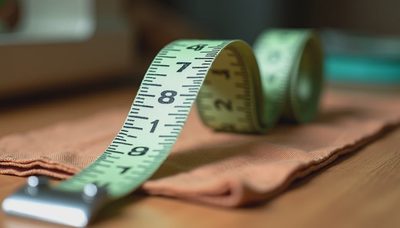
Here's what you'll need for each method. For all methods: measuring tape, pins, fabric chalk or a washable marker, scissors, and an iron. For sewing machine: a basic machine with a straight stitch (most machines have this), matching thread, and a seam ripper (to remove the original hem). For hand stitching: a needle and thread, thimble. For hem tape: fusible hem tape and an iron. That's it—nothing fancy.

Step-by-Step: How to Hem Pants at Home
Start by trying on the pants with the shoes you plan to wear. Fold the excess fabric inward to the desired length and pin it in place. Use a mirror to check both legs—pant legs aren't always perfectly symmetric, so measure each leg separately. Mark the fold line with chalk, then take the pants off. Measure from the original hem up to your chalk line—this is how much you'll shorten. Cut off the excess fabric, leaving about 1.5 inches for the new hem allowance.
If you're using a sewing machine: Press the new hem fold, then sew a straight stitch along the folded edge, about 1/4 inch from the fold. Use a stitch length similar to the original hem. If you're hand stitching: Use a blind hem stitch—thread your needle, knot the end, and take small stitches alternating between the pant leg and the hem fold. This stitch is nearly invisible from the outside. For hem tape: Place the tape inside the fold, press with a hot iron, and hold for 10 seconds. The tape bonds the fabric together—good for a quick fix, but not as durable as sewing.
Common Mistakes and How to Avoid Them
The biggest mistake I see is cutting off too much fabric. Always start with a longer hem—you can shorten it later, but you can't add fabric back. Another mistake: forgetting to match the thread color to the original hem. If the thread is a different shade, it's noticeable. Also, don't pull the thread too tight when sewing—this creates puckering. After hemming, press the finished hem with an iron to flatten it. And always test the length by wearing the pants—you don't want to realize they're too short when you're already out the door.

When to Let a Tailor Handle It
Some pants are tricky to hem at home. If you're working with delicate fabrics like silk, wool suits, or pants with a finished cuff (like dress trousers), it's worth paying a tailor. Similarly, if the pants have a complex lining or are very expensive, let a pro do it. But for most cotton chinos, jeans, and casual trousers, hemming at home is totally doable. Once you've done it a few times, you'll wonder why you ever paid $15 for a hem.
Choosing the Best Method for Your Pants
When deciding how to hem pants at home, the method you choose depends on your skill level and the fabric. For beginners, hem tape is the fastest but least durable—it works for cuffs that won't see heavy wear. Hand stitching gives you a professional finish but takes longer. A sewing machine is the middle ground: quick and strong. If you're working with jeans, a machine is best because the fabric is thick. For chinos, hand stitching or machine both work. Always test on a scrap piece of fabric first to avoid ruining your pants. And remember: no matter which method you use, the key to a clean hem is careful measuring and pressing.
Final Thoughts
Hemming pants at home is one of those skills that saves you money and makes your clothes fit better. It takes about 30 minutes per pair once you're practiced. If you're just starting, practice on an old pair of pants first. And remember: the key to a clean look is precision—measure twice, cut once. If the fit is right, the price doesn't need to be high.